Industrial Prefabricated Buildings About
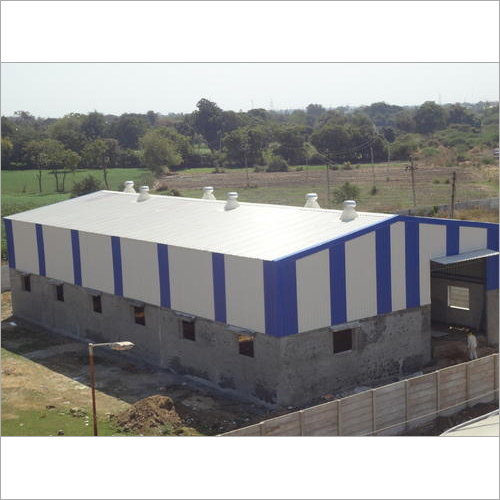
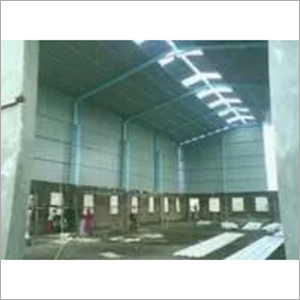
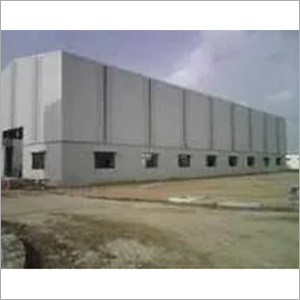
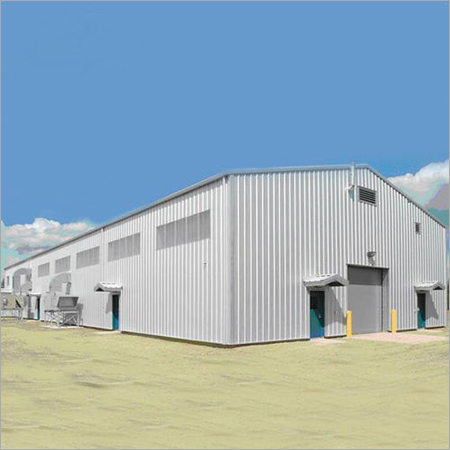
Balaji Roofing deals in the trading and supplying of Industrial Prefabricated Buildings designed as per the structural engineering standards by using premium-grade alloyed materials and advanced fabrication technologies that result in high structural strength to bear extreme loads and harsh climatic conditions. It is provided with windows and rooftop ventilation units for the efficient transfer of energy within the building. The offered Industrial Prefabricated Buildings can be customized according to customer demands.
Long-lasting Industrial StructuresOur prefabricated buildings are constructed to deliver reliability and durability in industrial environments. With a life span extending beyond 20 years, each unit is professionally engineered to endure heavy usage, environmental loads, and seismic activity. Custom floor and roof loads allow for specialized machinery and personnel requirements, making these buildings suitable for warehouses, factories, and large-scale storage.
Customizable for Unique RequirementsIndustrial prefabricated buildings can be tailored in dimensions, floor load capacities, wall thickness, and insulation levels. Options for glass or acrylic windows, metal or concrete walls, and insulated metal roof panels allow businesses to select or combine features that best support their operational needs. The flexibility in design ensures an ideal fit for various industrial purposes across different regions in India.
FAQs of Industrial Prefabricated Buildings:
Q: What materials are used in the construction of industrial prefabricated buildings?
A: These buildings typically utilize steel and concrete for core structures, with additional options for other durable materials. Walls may be brick, concrete, or metal panels, while roofs use insulated metal sheets. Window materials are glass or acrylic, and doors are constructed from metal to ensure robust performance.
Q: How are prefabricated buildings customized to meet specific industrial requirements?
A: Customization includes choosing dimensions, floor and roof load capacities, wall panel thickness based on insulation needs, and door or window styles. Clients can also specify thermal and sound insulation levels, color schemes, and connection types, ensuring the building matches operational and safety requirements.
Q: When is thermal and sound insulation recommended for these buildings?
A: Thermal and sound insulation is advised when the building will house temperature-sensitive equipment, require energy efficiency, or operate noisy machinery. This feature enhances comfort, safety, and operational efficiency, and can be included during initial design and fabrication.
Q: Where are these buildings commonly utilized in industrial settings?
A: Prefabricated industrial buildings serve as warehouses, manufacturing units, storage facilities, workshops, logistics centers, and other industrial applications. Their versatile, sturdy configuration makes them ideal for use across various locations in India.
Q: What is the process for acquiring and installing a prefabricated industrial building in India?
A: The process involves consultation with the provider, selection of materials and design features according to operational requirements, fabrication in controlled environments, transport to the site, and on-site assembly by bolting and welding. Customized options are integrated during production stages.
Q: How do these buildings benefit industrial operations?
A: They provide faster installation, flexibility in design and usage, durability against weather and seismic activity, and reduced construction waste. Custom floor loads and insulation improve safety and productivity for a variety of industrial tasks.

 Send Inquiry



 Send Inquiry


 Send Inquiry

